
Cheng Xudong: Keep the [chip] of high-end textile raw materials and promote the high-quali
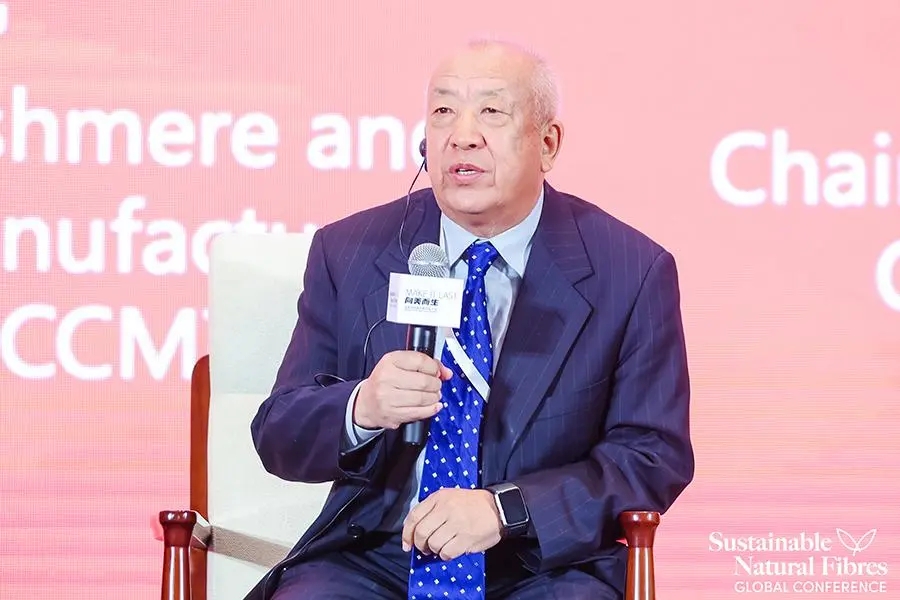
On April 11, 2024, the Global Sustainable Natural Fiber Conference was held at the Beijing Jinhai Lake International Convention and Exhibition Center. About 400 representatives from international organizations, industry associations and more than 100 brand companies gathered in Pinggu, Beijing to discuss the development and future of sustainable natural fibers. Cheng Xudong, Chairman of Chifeng Dongrong Cashmere Development Group Co., Ltd., was invited to attend the conference and delivered a keynote speech entitled "In-depth Analysis of Sustainable Development of Cashmere Textile Industry".
The world looks to China for cashmere, and China looks to Inner Mongolia for cashmere. China is the world's largest cashmere goat breeding country and cashmere producer and exporter. Inner Mongolia ranks first in the country in terms of cashmere goat inventory and cashmere production. In recent years, my country has increased its support for the cashmere industry, and the cashmere industry has achieved a transformation from "quantity" to "quality". As a characteristic industry of Inner Mongolia's animal husbandry, two major cashmere industry production clusters have been formed, namely "Chifeng in the east and Ordos in the west", accounting for about 42% of the country's total cashmere production.
Cheng Xudong pointed out that cashmere is a scarce resource in the world. The cashmere industry is a characteristic and advantageous industry and an important livelihood industry for the economic development of Inner Mongolia, my country. It plays an important role in prospering the market, expanding exports, absorbing employment and increasing the income of farmers and herdsmen.
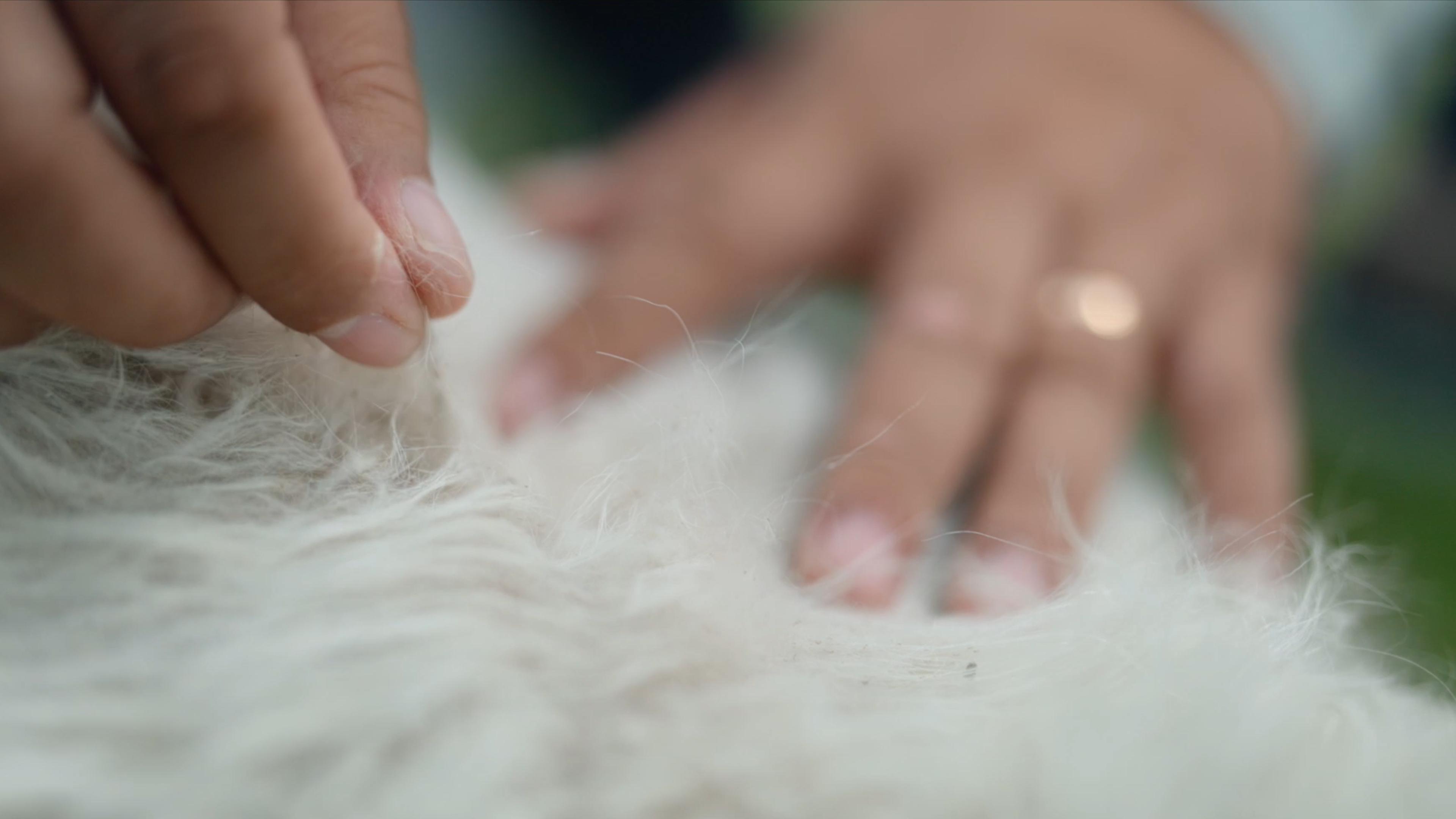
From the perspective of the international market, cashmere is recognized as a high-end textile raw material "chip". In the past few years, due to my country's backward production technology, low brand awareness, and lack of competitive advantages with foreign brands, a large amount of high-quality cashmere raw materials in China have flowed to the European and American markets. According to customs statistics, in 2022, the country exported 26 million cashmere sweaters, more than 3,300 tons of yarn, more than 6 million scarves, and more than 5,300 tons of hairless cashmere. "Many major international clothing brands buy the best quality cashmere in Inner Mongolia, take it abroad, put on their labels, and resell it for more than ten times or dozens of times the price." Cheng Xudong said.
From the perspective of the domestic market, with the strong support of the Inner Mongolia Autonomous Region Party Committee and the government, the leading cashmere companies are actively developing, updating equipment, eliminating obsolete production capacity, expanding quantity, improving quality and efficiency, mastering core technologies in their own hands, building independent brands, and developing towards intelligent, green, digital, flexible, and full industrial chain. In recent years, brands represented by Ordos, Dongli, Luwang, and Consinee are making every effort to expand the domestic market and enter the international market with the image of independent brands.
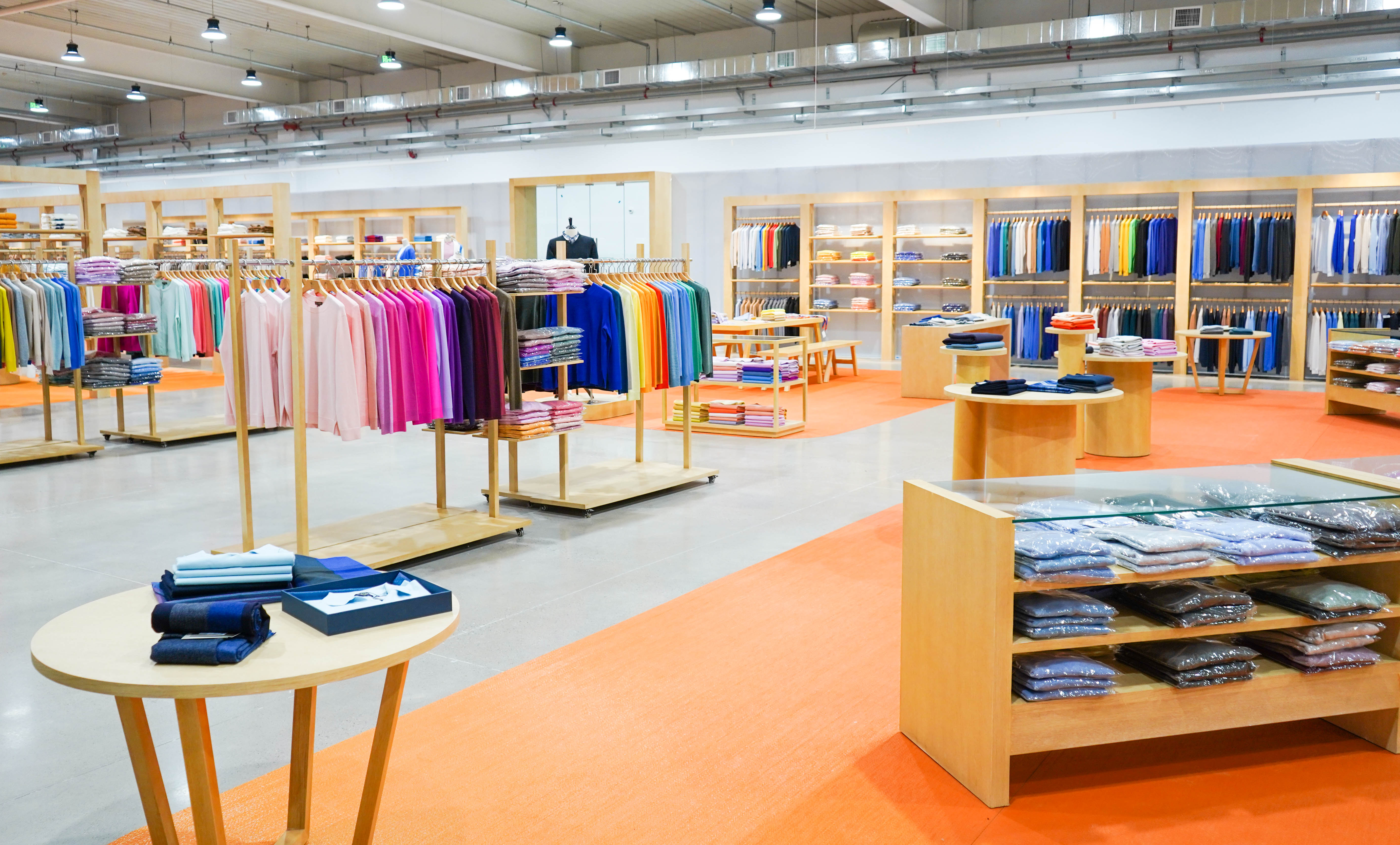
Cheng Xudong said in an interview that with the advancement of science and technology, the processing technology of cashmere products in my country has been continuously innovated and improved, high-quality cashmere products have been recognized by more consumers, and the cashmere industry has a broader space for development. In the future, how to promote the high-quality development of the entire cashmere industry chain and strive to build a cashmere industry worth tens of billions of yuan, Cheng Xudong believes that efforts should be made in the following aspects:
• First, we should step up efforts to promote the cashmere goat conservation project. Avoid using inferior goats for crossbreeding, which will increase fiber fineness and reduce cashmere quality.
• Second, introduce policies to support the raising of cashmere goats in sheds and enclosures, encouraging farmers and herdsmen to raise good goats and produce high-quality cashmere.
• Third, support cashmere processing enterprises in equipment upgrading, process improvement, and product research and development. Focus on supporting leading processing enterprises to introduce advanced technologies, introduce world-class processing equipment, and improve combing levels and deep processing capabilities. For enterprises with newly built, under construction, and upgraded cashmere deep processing projects, increase financial subsidies for equipment upgrades and updates, and increase subsidies for new standardized factory buildings.
• Fourth, strengthen financial support. Solve the problem of difficulty in obtaining loans and high guarantee rates for leading cashmere processing enterprises, provide loan guarantee services for enterprises to expand reproduction, and reduce guarantee rates and interest subsidies.
• Fifth, play the leading role of the government. Promote the improvement of cashmere brands and enhance brand publicity.
"The cashmere industry is a traditional textile industry, but it is also an industry with scarce and precious raw materials. We can only use new thinking, new concepts and new initiatives to make this industry develop sustainably, enable enterprises to maintain a leading position in the fierce market competition, and become cashmere craftsmen, textile experts, and leaders of fine cashmere clothing." Cheng Xudong said.
Chifeng Dongrong Group has always regarded the promotion of cashmere industry development as an important part of building an important national agricultural and livestock product production base. It has insisted on the goal of expanding quantity, improving quality, increasing output, maintaining advantages, making up for shortcomings, and strengthening weaknesses. It actively promotes the high-quality development of the entire cashmere industry chain and strives to contribute to the creation of a tens of billions of cashmere industry.


